
Forensic Services brings together a broad and diverse range of scientific and technical disciplines that support every aspect of policing. Our work plays a vital role in investigations, from supporting frontline officers at crime scenes to delivering robust, impartial, scientific evidence within our laboratories.
Join one of our six Forensic Science Teams
Crime Scene Investigation, Forensic Collision Investigation, Biometrics, Digital Forensics, Forensic Support Services and Quality Assurance.

The Science Behind Solving Crimes
Whether your background is in laboratory science, digital technology, data analysis, engineering, or creative fields such as graphic design and imagery, there is a place within Forensic Services to apply your skills in a meaningful and impactful way.
Our teams combine expert knowledge with innovation and problem‑solving to deliver forensic services when they matter most. We work across a wide variety of settings, including crime scenes, specialist units, and laboratory environments, ensuring that evidence is identified, recovered, analysed, and presented to the highest professional standards. This multidisciplinary approach allows us to respond to the evolving demands of policing and the criminal justice system, using science and technology to support investigations and protect the public.
We offer opportunities for people from a wide range of educational and professional backgrounds, recognising that valuable skills are gained in many different ways, not only through traditional scientific routes. We are looking for individuals who are curious, adaptable, and motivated, with an interest in innovation and a commitment to public service. By joining Forensic Services, you will contribute directly to making Hampshire & Isle of Wight safer for everyone, while building a career where your expertise supports justice, integrity, and public confidence.
What we offer:
- Career progression pathways
- Training and accreditation support
- Modern facilities and specialist equipment
- Pension, wellbeing support and job security
Who we are looking for:
- Scientists, analysts, technicians, investigators
- Graduates and career switchers
- People with an emphasis on diversity of backgrounds and transferable skills
Explore our Forensics Teams
Crime Scene Investigation
What the role is about
Attending crime scenes
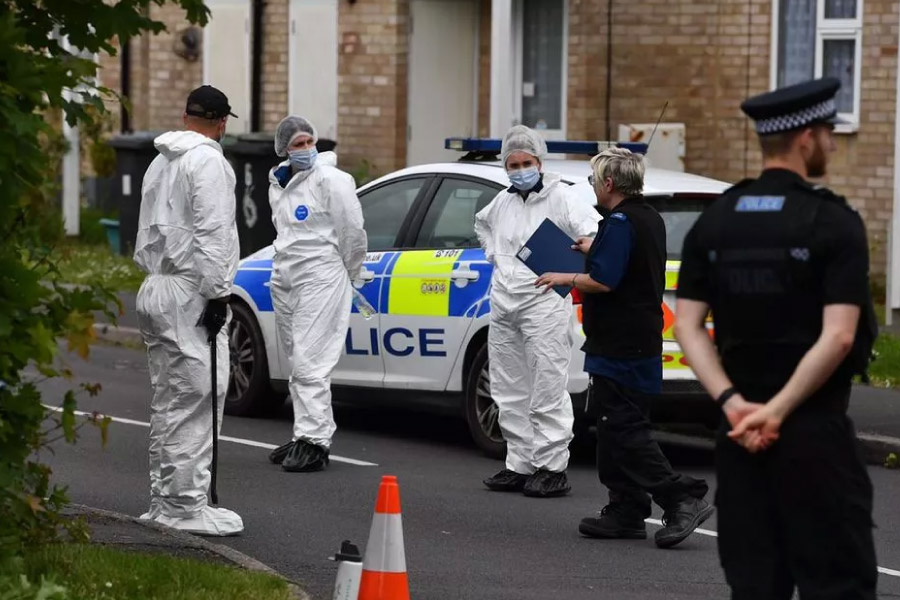
Crime scene investigators are deployed to a wide range of incidents, from burglaries and vehicle crime to serious assaults and major investigations. Their role begins the moment they arrive on scene: securing the area, assessing the environment, and determining what evidence may be present. They work methodically and professionally, often in challenging or sensitive situations, to ensure nothing is overlooked.
Identifying, collecting, and preserving evidence
CSI staff are responsible for locating and recovering physical evidence such as fingerprints, DNA, footwear marks, tool marks, trace materials and digital devices. They use specialist techniques and equipment to ensure evidence is collected safely and accurately. A key part of the role is preserving the integrity of that evidence – packaging, labelling and documenting it correctly so it can be used reliably in an investigation and, ultimately, in court.
Working with investigators and forensic laboratories
Crime scene investigators work closely with detectives, police officers and forensic scientists to build a clear picture of what happened. They provide expert insight into how evidence was found, what it means, and how it supports investigative lines of enquiry. They also liaise with forensic laboratories, submitting items for analysis and interpreting scientific results to help progress cases.
Skills and attributes
Attention to detail
The ability to notice small but important pieces of information, ensuring accuracy when examining evidence, recording findings, or completing documentation. This skill helps maintain high investigative standards and prevents critical details from being overlooked.
Methodical approach
Working in a structured, logical and consistent way, especially when following procedures or processing scenes. A methodical mindset supports thoroughness, reduces errors, and ensures that every step of an investigation is completed correctly.
Ability to work under pressure
Remaining calm, focused and effective in challenging or time‑sensitive situations. This includes managing competing demands, adapting quickly to changing circumstances and maintaining professionalism when dealing with difficult or sensitive incidents.
Communication and teamwork
Clear communication, both written and verbal, is essential when working with colleagues, investigators and external partners. Strong teamwork skills help build positive working relationships, support collaborative problem‑solving and ensure information is shared accurately and efficiently.
Forensic Collision Investigation
What the role is about
Investigating serious and fatal road collisions
Forensic collision investigators attend the scenes of serious and fatal road traffic incidents to determine how and why a collision occurred. They work methodically to assess the environment, vehicle positions, road conditions, and any contributing factors. Their findings help establish the circumstances leading up to the collision and support both criminal investigations and prevention work.
Reconstruction and analysis
Using specialist techniques, advanced software, and scientific principles, investigators reconstruct the events of a collision. This may include analysing vehicle damage, calculating speeds, assessing driver behaviour, and interpreting physical evidence such as skid marks or debris patterns. Their analysis provides a clear, evidence‑based understanding of the sequence of events.
Expert reporting and court presentation
Investigators produce detailed technical reports that explain their findings in a clear and accurate way. They may also present evidence in court as expert witnesses, helping judges and juries understand complex collision dynamics. Their expertise plays a crucial role in supporting prosecutions, informing inquests, and ensuring that justice is served.
Science behind the Role
- Physics, engineering, biomechanics
- Scene analysis and vehicle examinations
- Use of specialist software and equipment
Who this role suits
- Engineers, scientists, technically minded applicants
- Strong analytical and report-writing skills
- Confidence presenting evidence
Skills and Attributes
- Attention to detail
- Methodical approach
- Strong physics/mathematical understanding
- Ability to work under pressure
- Communication and teamwork
Biometrics
What is Biometrics?
Fingerprint Comparison and Development
Fingerprint Comparison and Development focuses on recovering and developing fingerprint evidence from crime scenes and exhibits, then analysing the ridge detail to determine whether it can support an identification. Practitioners use a range of specialist techniques, work with precision and accuracy, and provide clear findings that help progress investigations.
Identify, Verification and Intelligence Support
Identify, Verification and Intelligence Support involves confirming the identity of individuals linked to investigations, validating information from multiple sources and providing intelligence that helps officers build an accurate picture of events. Specialists in this area assess data, cross‑check records, interpret patterns and highlight relevant links, ensuring that enquiries are informed, reliable and focused. Their work strengthens decision‑making, supports operational activity and helps progress investigations efficiently and effectively.
Roles within Biometrics
- Fingerprint Officers
- Fingerprint Development Officers
- Tenprint Examiners
Working Environment
- Laboratory and office based roles
- Controlled, quality-driven processes
Skills Needed
- Accuracy and consistency
- Scientific or analytical mindset
- Ethics and impartiality
- Attention to detail
Digital Forensics
What the role is about
Recovering and analysing data from devices
Digital Forensics is about recovering and analysing data from digital devices such as computers, mobile phones, tablets and storage media to support investigations. The role involves identifying relevant data, extracting it using specialist tools and techniques and interpreting the results to uncover activity, timelines, communications or deleted information. Digital Forensics practitioners provide clear, reliable findings that help investigators understand what happened, who was involved and how digital evidence supports the wider case.
Supporting investigations involving cyber, exploitation, fraud, and serious crime
Digital Forensics supports investigations involving cybercrime, exploitation, fraud and serious crime by identifying, recovering and analysing data from digital devices and online sources. Practitioners use specialist tools to uncover activity, communications, files and timelines that help investigators understand how offences were committed, who was involved and what digital evidence can reveal about the wider case.
Technology and Tools
- Mobile phones, computers, cloud data
- Cutting-edge forensic software
Who we are looking for?
- IT professionals
- Cybersecurity or computing graduates
- Problem-solvers and critical thinkers
Continuous Learning
- Rapidly evolving field
- Regular training and upskilling
- Opportunity to specialise
Ethical Responsibility
- Handling sensitive material
- Welfare support and resilience
Forensic Support and Specialised Administrative Support
Across the teams our scientists and scene attending staff are supported by specialist administrative support, these roles are key to our service deliver and represent career routes in to wider specialist roles or fulfilling roles in their own right.
What support services includes:
- Evidence management
- Submissions and quality checks
- Administration and logistics
Why these roles matter?
- Ensuring continuity of evidence
- Supporting frontline forensic practitioners
- Maintaining audit trails and compliance
Skills and experience
- Organisational skills
- Attention to detail
- Experience from admin, logistics, or laboratory support roles
Development opportunities
- Progression into technical or specialist roles
- Training and qualifications
Quality and Assurance
Role overview:
- Maintaining accreditation (e.g. ISO standards)
- Auditing forensic processes
- Managing quality systems and risk
Why Quality matters:
- Evidence must withstand scrutiny
- Public confidence in forensic science
- Court admissibility
Who the role suits:
- Quality professionals
- Experienced forensic practitioners
- Strong communicators and problem-solvers
Impact:
- Improving processes
- Driving best practice
- Supporting scientific excellence
What makes this role rewarding?
- Making a real difference to investigations
- Seeing cases progress through to court
Find your Place.
Find your Purpose.
Join a team where your skills matter. Our police staff are at the heart of everything we do, providing the expertise and support that helps keep our communities safe. We are committed to helping you succeed through training, career development, flexible working and wellbeing support.