
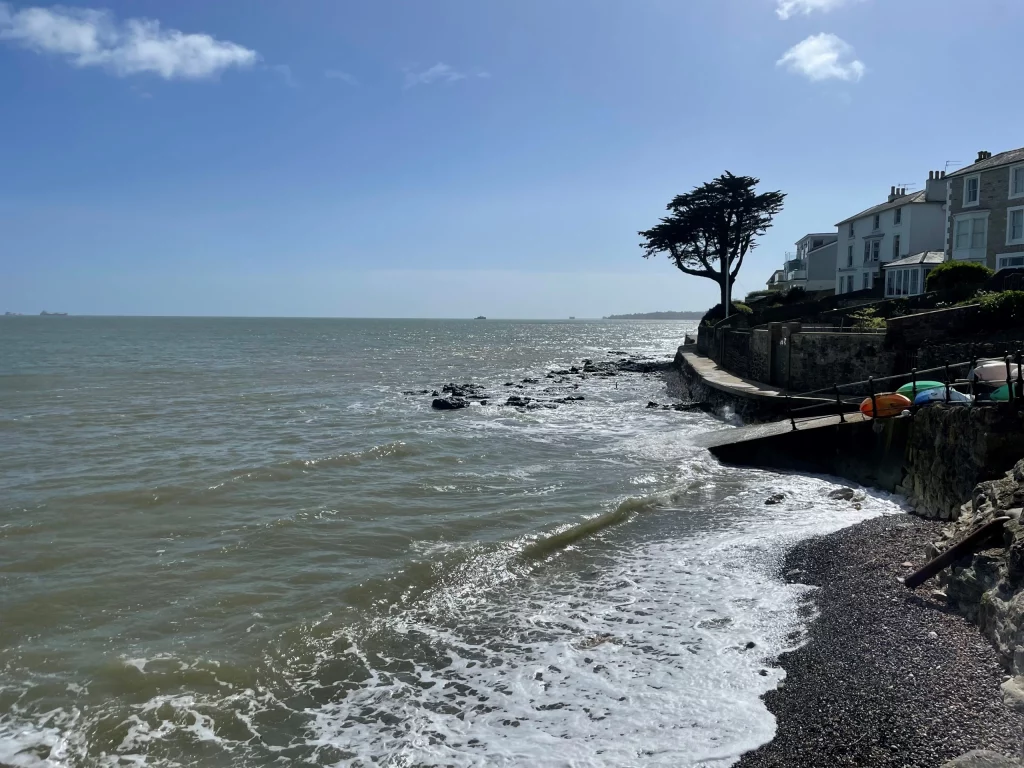
Work on the Isle of Wight
An inspiring place to live and work
The Isle of Wight: A Coastal Gem, Rich in History and Natural Wonder
The Isle of Wight, known to the ancient Romans as Vectis, spans 150 square miles and is home to over 141,000 residents, making it both the largest and second-most populated island in England with the population expected to grow by 3.5% between 2024 and 2031. Located just three to five miles off the Hampshire coast and separated by the Solent, the island is a haven of natural beauty and cultural heritage.
Steeped in history, the Island was once a beloved retreat of Queen Victoria, who built her summer residence and final home, Osborne House, in East Cowes. Its maritime and industrial roots run deep, with traditions in boat building and sail making. Notable historic figures, such as Charles Dickens, who penned much of David Copperfield here, and Charles Darwin, Lewis Carroll, J.M.W. Turner, and Alfred Lord Tennyson have all drawn inspiration from its serene landscapes.
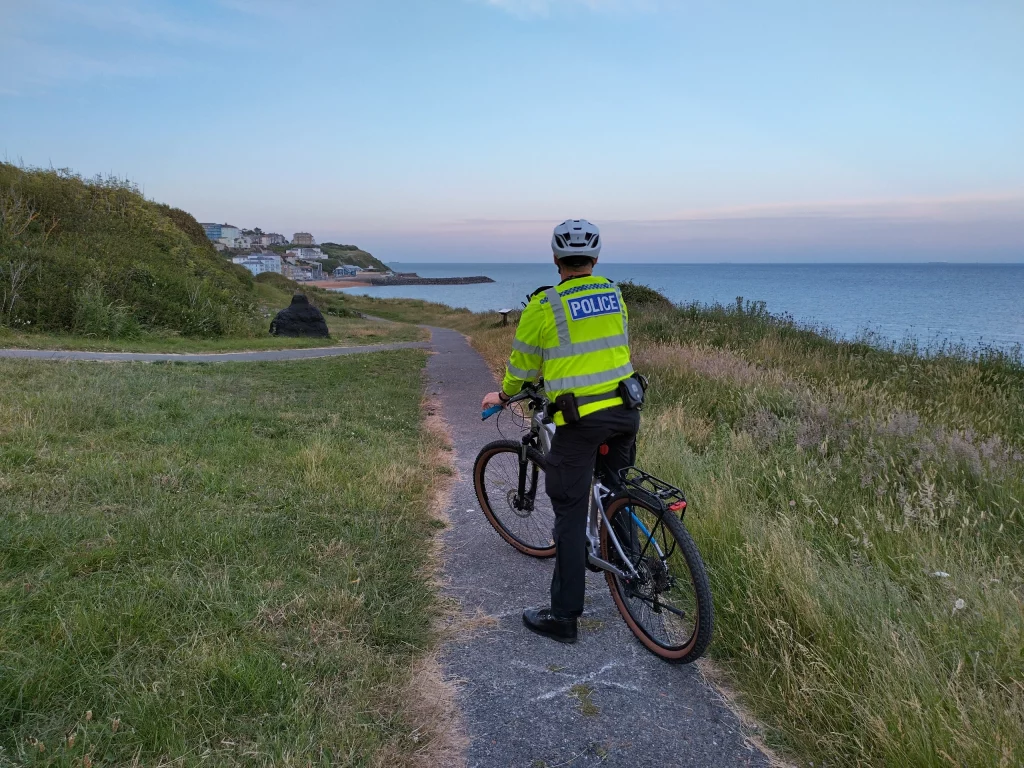
Meet some of the Officers living and working on the Isle of Wight
District Commander

Read about Andy’s policing career after transferring from the Armed Forces, and his life as an Isle of Wight resident.
Police Constable
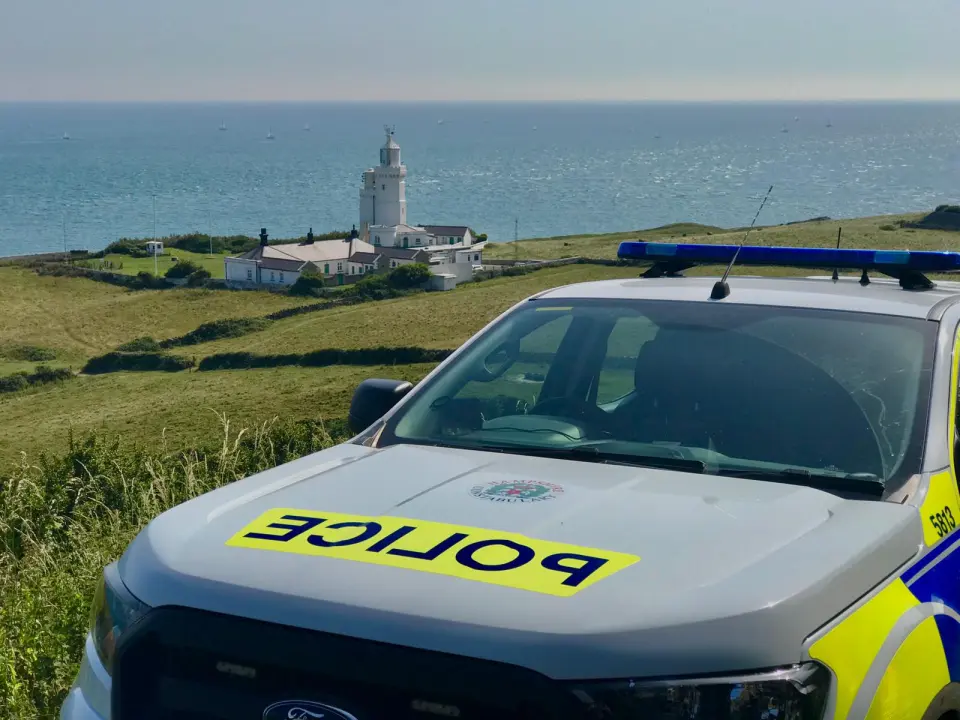
Josh serves as a Police Constable in Newport on the Isle of Wight, handling everything from urgent 999 emergencies to routine 101 calls as part of his day‑to‑day work.
Special Sergeant

Read about Roger’s special policing career after transferring from the MET, and his life as an Isle of Wight resident.
Neighbourhood Police Constable
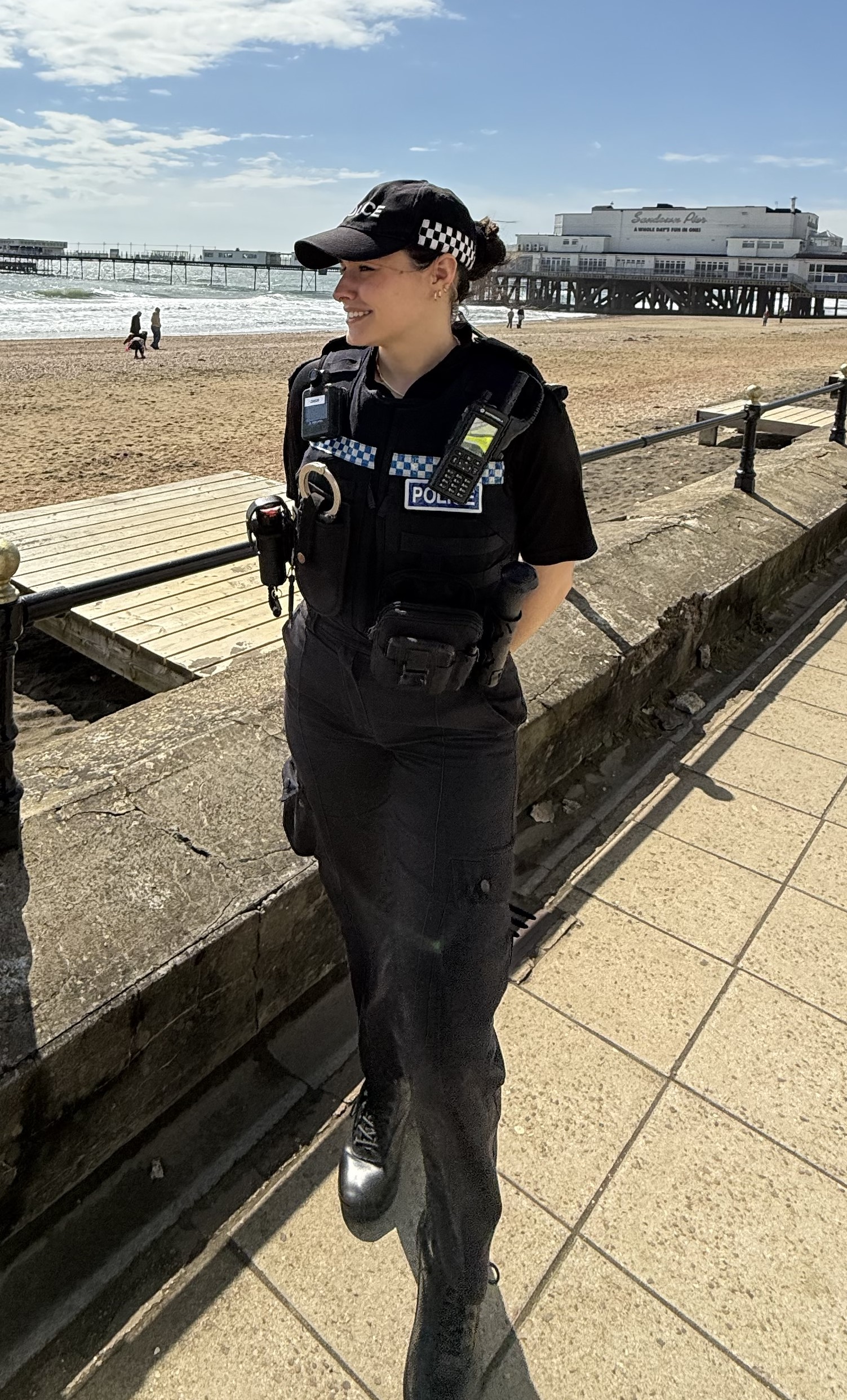
Meet Tayla, a Police Constable, living and working on the Isle of Wight
Meet PCSO Steve and DC Amela as they share what it’s like to work on the Isle of Wight, and explain how diverse skills and perspectives help build stronger relationships within the community.

Explore our FAQs page for all the key information about beginning a policing career on the Isle of Wight.
Isle of Wight – an inspiring place to live and work
The Isle of Wight is a true walker’s paradise. As one of the UK’s most beautiful places to enjoy the outdoors, thousands of walkers are welcomed to the Island year after year as they explore the 68-mile-long coastal path and criss-cross network of footpaths and trails. More than half of the Island is a designated Isle of Wight National Landscape (formerly known as Area of Outstanding Natural Beauty) which offers breath-taking scenery everywhere you look. The southern beaches provide not only a great place to rest but also an exciting and fascinating insight into the prehistoric reality of dinosaur life on the island.

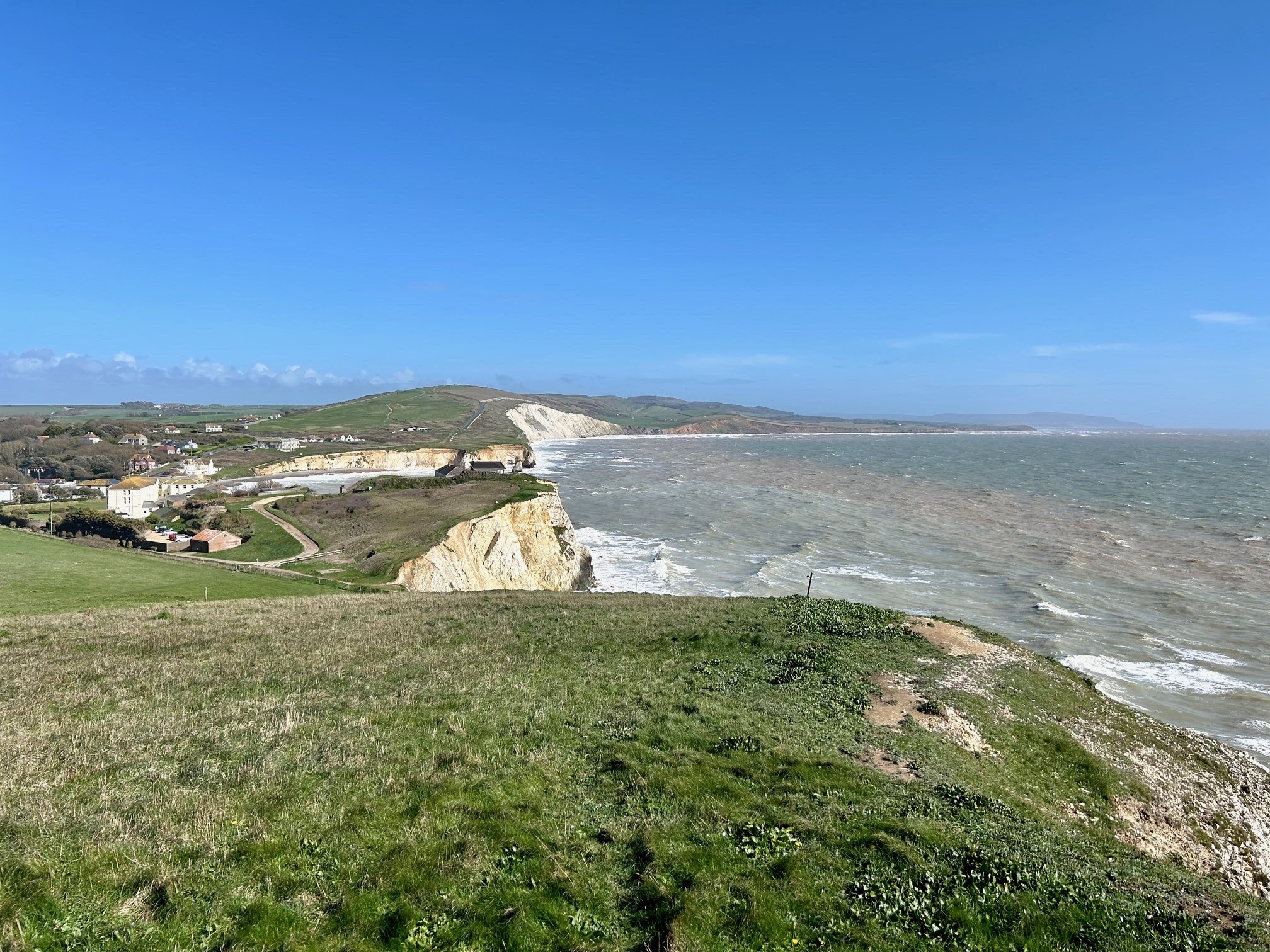
The Isle of Wight is hailed as the dinosaur capital of Great Britain and ranks among the top six global locations for dinosaur fossil discoveries. Known as “Dinosaur Island,” due to its wealth of fossils from the Early Cretaceous period. Visitors can find dinosaur footprints on beaches like Compton and Brook at low tide, and the Dinosaur Isle Museum in Sandown houses many important local fossils and displays. Numerous dinosaur species have been found here, including new discoveries, with more than 20 types identified so far.
Famous landmarks and attractions
The Needles Rocks are some of the most photographed groups of rocks in the world. This row of three distinctive chalk stacks, features in all the classic pictures of the Isle of Wight. Originally, there were four rocks – you can see the gap very clearly like a missing tooth. The name the Needles comes from the fourth rock which was needle-shaped and known as Lot’s Wife.
You may have heard of the legendary Isle of Wight Festival—whose 1970 edition remains the largest rock music event ever held. In addition, the Island showcases a broad spectrum of festivals across multiple areas of culture and interest, for example the Isle of Wight International Jazz Festival and The Wight Proms. The Walking Festival and The Isle of Wight Ultra Challenge, Along with Arts and Craft festivals, Sports festivals and Food and Drink festivals such as The Garlic Festival, Cider & Cheese Festival and the Real Ale Festival.
Cowes Week is one of the UK’s longest running and most successful sporting events and is a key highlight of the British sporting summer. It has been held in early August every year since 1826, except during the two world wars and the Covid pandemic in 2020. Traditionally, Cowes Week takes place after Glorious Goodwood and before the Glorious Twelfth (the first day of the grouse shooting season) – occasionally the traditional dates are changed to ensure optimum racing, taking account of the tides or, as in 2012, to avoid a clash with the Olympic Games. Over the years the event has attracted British and foreign royalty, and many famous faces.