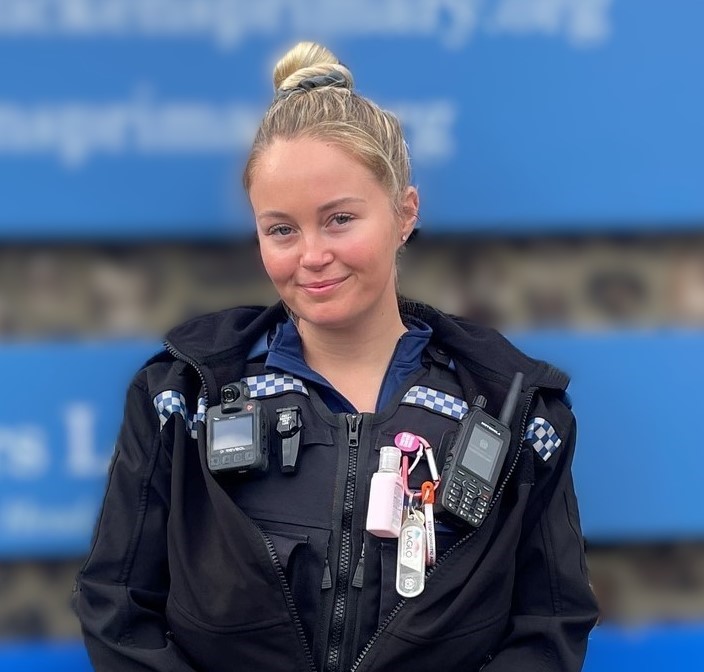
Hear about working for us: Chloe, Police Community Support Officer (PCSO)
Can you tell us about your role?
My role is very varied and each day is different. My day to day duties involve providing a visible presence in our community, visiting hubs such as schools, colleges, clubs and local shops, also providing first hand advice and support to members of public. We are the ‘face of the Police’ in my opinion and carry a wealth of local knowledge. We are often first on scene to incidents and provide initial support. We visit and help manage vulnerable children and adults and assist them to find the support they need.
What is the difference between a Police Community Support Officer and a Police Officer?
PCSO’s have different powers to Police Officers. We are more community focused and have the chance to build good working relationships with members of our community. This enables us to gather more information and intelligence about what may be going on in the area which can therefore be recorded to help our Police Officers take more action against crime. We get to know the local faces, and therefore can help identify suspects or victims for our Police Officer colleagues.
What would a standard day look for you?
I start the day by checking my emails and the overnight incidents from our community this means we can target our patrols for the day.
Then I would head out on foot patrol or patrol on a push bike, depending on where we needed to target our patrols. If, for example, there had been multiple car breaks on a certain road overnight, we would head towards this area to deter further crime and reassure the public.
I am ‘Single Point of Contact’ for children classed as at risk of exploitation that I visit monthly. So I may go and carry out one of these visits to check their welfare and see if any further support is needed for these children.
I may go to one of the local Community Hubs to visit local residents to give talks on Anti-social behaviour or I may go into one of the secondary schools on our beat and carry out a talk or assembly, for example during Knife Crime Awareness Week.
On my travels, I may be called by the Police Control Room to attend an anti-social behaviour incident or to help look for a missing person.
I would finish the day by carrying out any paperwork or reports that need doing.
Are there any particular skills you require to do the role?
The main skill required to be a PCSO is good communication. This is vital for building good relationships with the public. Recording information correctly is also very important, as we are often the first interaction someone may have with a member of the Police, therefore, it may be the very first opportunity someone has to report a crime or seek help.
What is the best part of your job?
The best part of my job is the feeling of being able to help someone who may be very vulnerable. It is a nice feeling to be a trusted member of the community. The varied roles of the job make being a PCSO very interesting and no two days are the same.
What advice would you give to someone considering becoming a PCSO?
I would highly recommend becoming a PCSO. It gives you amazing life experiences and is a fantastic career. It is also a good role to consider if you would like to become a police officer in the future as you gain lots of experience about policing. I am about to enter my 6th year being a PCSO and I am still proud to be working in this role and organisation.
What do you do to unwind when not at work?
When I am not at work, I enjoy riding and caring for my horses and spending time with my friends.
For our current vacancies visit our vacancy page All Hampshire Constabulary Jobs, or if you have any questions, please contact police.recruitment@hampshire.police.uk and we would be happy to help. Alternatively, please call us on 023 8045 1611.
Neighbourhood Officer
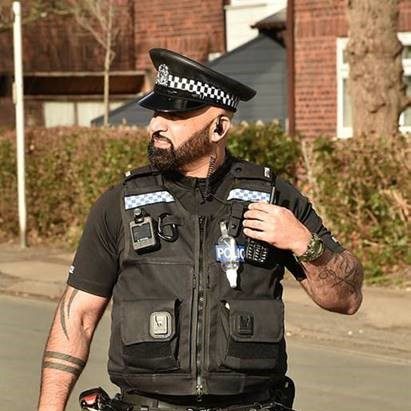
Hear about Joseph’s role as a ‘Local Bobby’, Designed Neighbourhood Officer for Totton Neighbourhood Police Team.
As well learning more about the work Joseph does for our Black, Ethnic and Minority (BEAM) support network.
Detective Constable
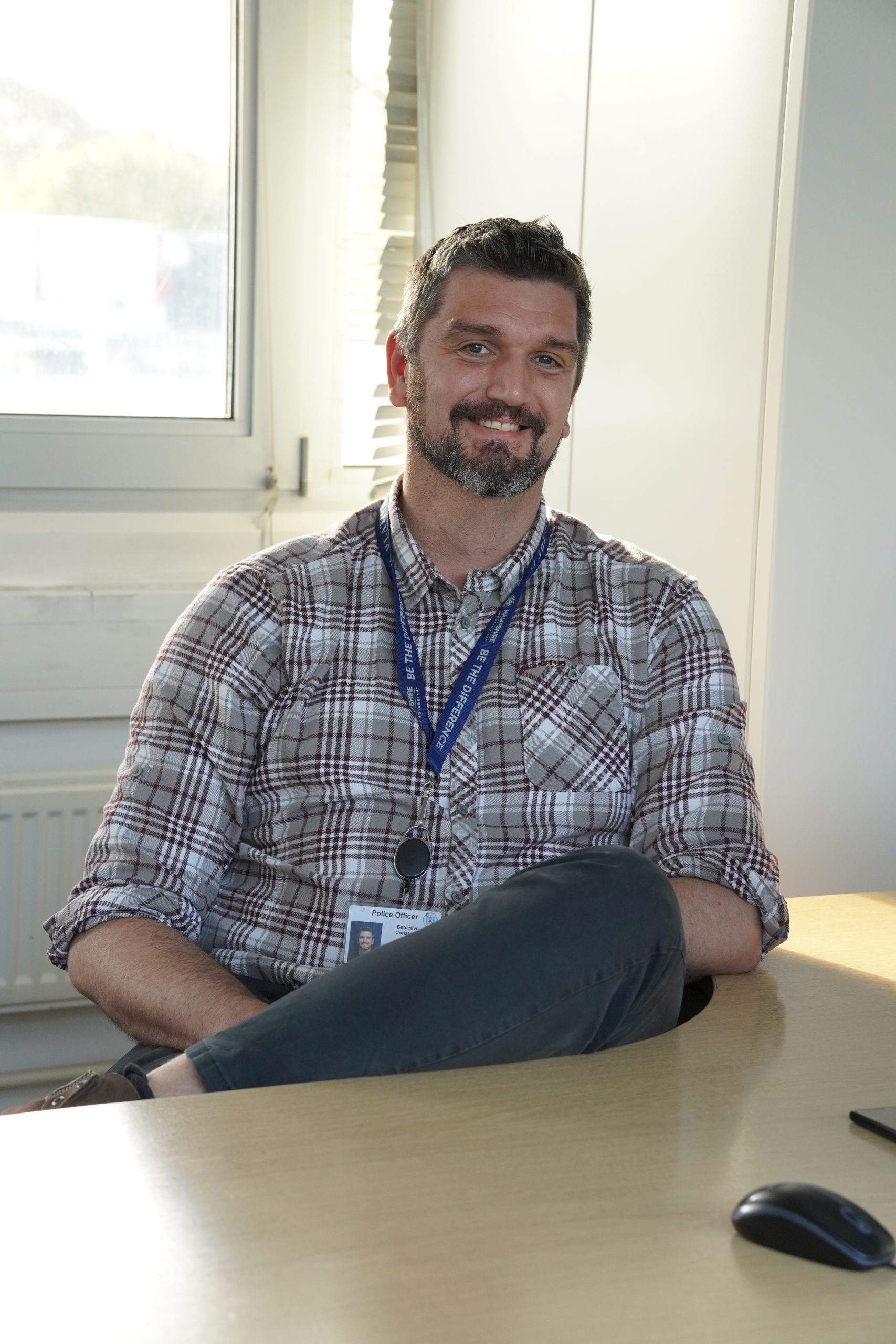
With a strong foundation in education, Neil brings a wealth of leadership, empathy, and analytical skills to the field of policing.
Hear more about how Neil made the leap into policing as a career change later in life.
Contact Management
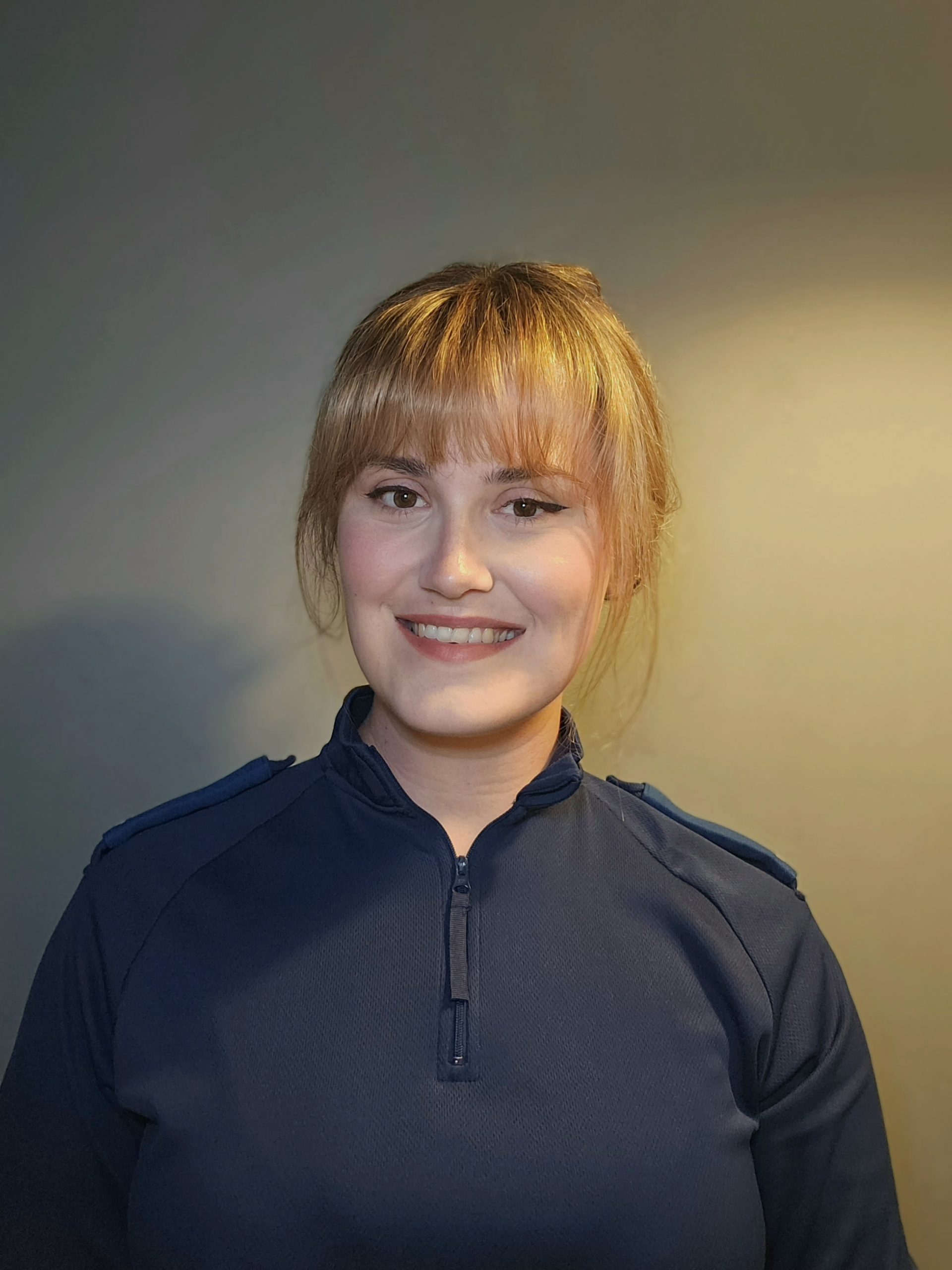
The Hampshire and Isle of Wight constabulary would not function without the dedication of its incredible non-officer staff.
We spoke to Naomi in the Contact Management department about the vital role she plays in Policing.
Dog Handler
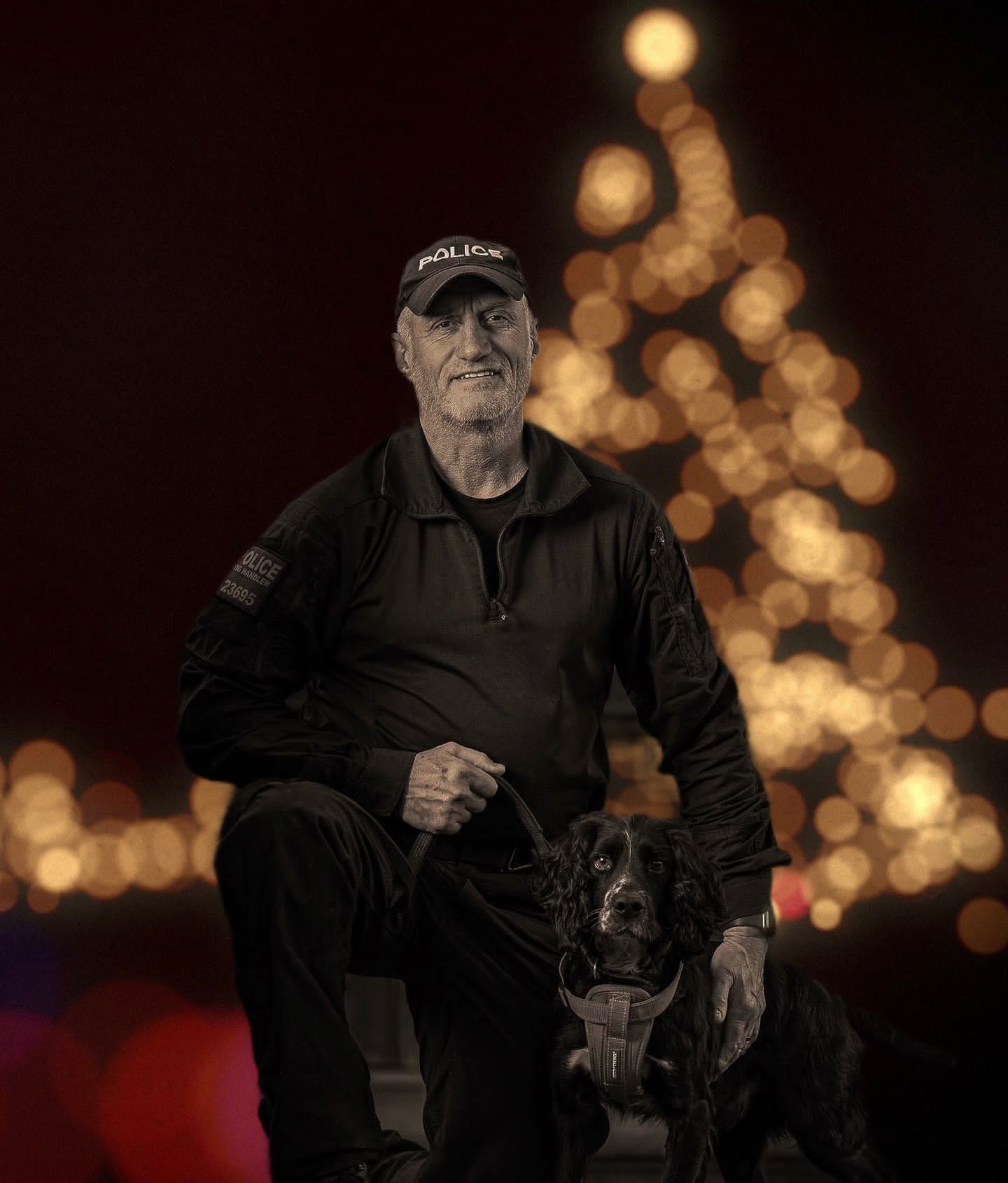
We caught up with Neal, former Royal Military Police and now police dog handler in Hampshire and the Isle of Wight Constabulary about the transition from the military.
Read more about his career transition below.