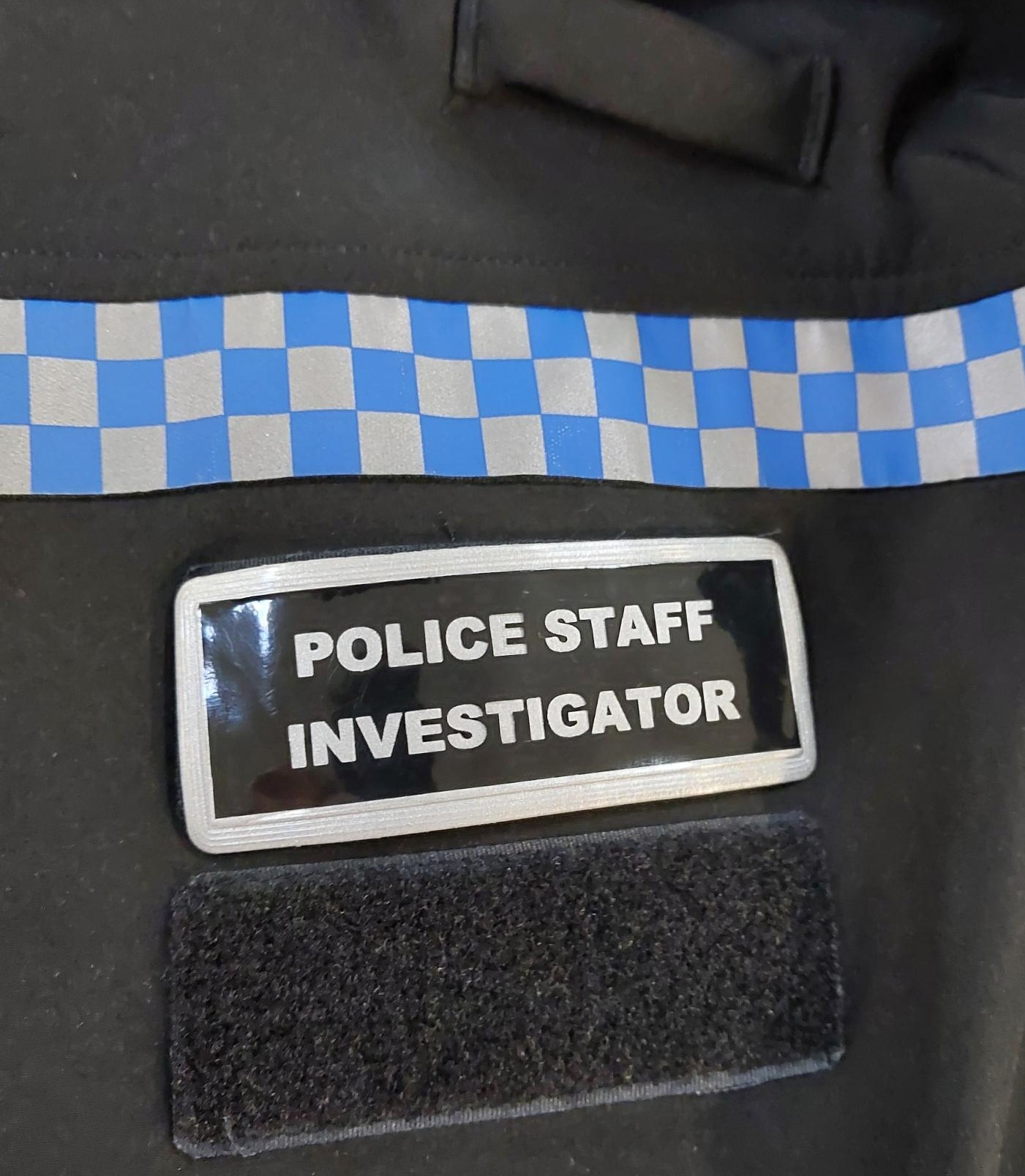
Hear about working for us: Daniel, Police Staff Investigator (PSI)
Can you tell us about your role?
The role of a Police Staff Investigator (PSI) is an incredibly varied role. I work in the Criminal Investigation Department, which handles cases considered serious and complex. On any given day I could be investigating a wide array of criminal offences such as fraud, serious sexual assaults, attempted murder, kidnap, incidents involving domestic violence and so much more. I could be applying for a warrant from a Judge to access premises to carry out searches, interviewing victims, witnesses and suspects, carrying out CCTV enquiries, applying forensic considerations, attending scenes of unnatural or unexpected violent deaths, building case files for submission to the Crown Prosecution Service (CPS), attending court and so much more.
What would a standard day look for you?
No day is the same as the next and there is no such thing as a standard day. When you are allocated an investigation by a Sergeant, you’ll become the Officer in Case (OIC) and you will need to consider lines of enquiry to be carried out while taking into account a wide array of factors. You may find yourself liaising with multiple departments both inside and outside the Constabulary, including members of the public and solicitors.
Once you have exhausted all reasonable lines of enquiry, a Sergeant will assess whether the evidence is sufficient enough to proceed to the Crown Prosecution Service (CPS). If a Sergeant decides that the case should go to the CPS, you’ll then need to build a case file and pass the file to the CPS who will decide whether a suspect can be prosecuted. If a suspect is prosecuted, you may have to go to court to present any evidence. This involves answering any questions from the CPS and the Defence in front of the Judge, jury, defendant and anyone else inside that court room.
Are there any particular skills you require to do the role?
Taking into account the above, a PSI at the very least should act impartially and with professional curiosity. An open-minded approach is a prerequisite. Assume nothing. Believe nothing. Challenge everything. Expect the unexpected. You’ll be given training on relevant legislations, policies and procedures, using policing systems, self-defence, emergency first aid and much more.
What is the best part of your job?
I’ll ask you now to imagine being the OIC for a case and seeing it all the way to the inside of a court room and hearing the jury return with a guilty verdict. Not only have you helped to secure justice for the victim in your case, you have also helped to make the community safer for everyone. This, alongside working with incredible professionals, is some of the best parts of the job. You’ll also be given opportunities to progress, undertake additional training and join other departments across the Constabulary.
What advice would you give to someone considering becoming a PSI?
Policing is a job like no other. You’ll feel a sense of family and belonging when you join policing. You’ll need to be readily adaptable and eager and a little passion goes a long way. Change is an ongoing theme in policing and you’ll need to be ready for change at a moment’s notice. Working in policing is a harsh reality and comes with plenty of challenges, so professional perseverance is key. You’ll be joining policing at a time where public confidence nationally is low and you’ll be joining a team committed to rebuilding trust in the community. However, you will quickly feel how rewarding the job is!
What do you do to unwind when not at work?
I unwind with my family and we enjoy trips out and spending quality time together. I enjoy football (c’mon you Gooners!), TV shows and movies.
For our current vacancies visit our vacancy page All Hampshire Constabulary Jobs, or if you have any questions, please contact police.recruitment@hampshire.police.uk and we would be happy to help. Alternatively, please call us on 023 8045 1611.
Neighbourhood Officer
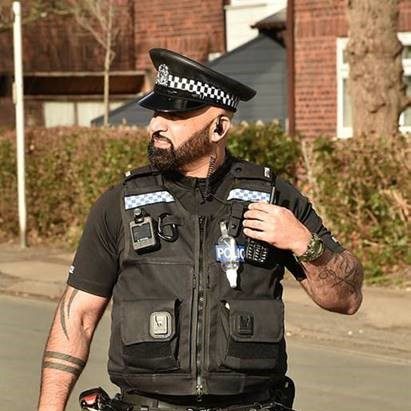
Hear about Joseph’s role as a ‘Local Bobby’, Designed Neighbourhood Officer for Totton Neighbourhood Police Team.
As well learning more about the work Joseph does for our Black, Ethnic and Minority (BEAM) support network.
Detective Constable
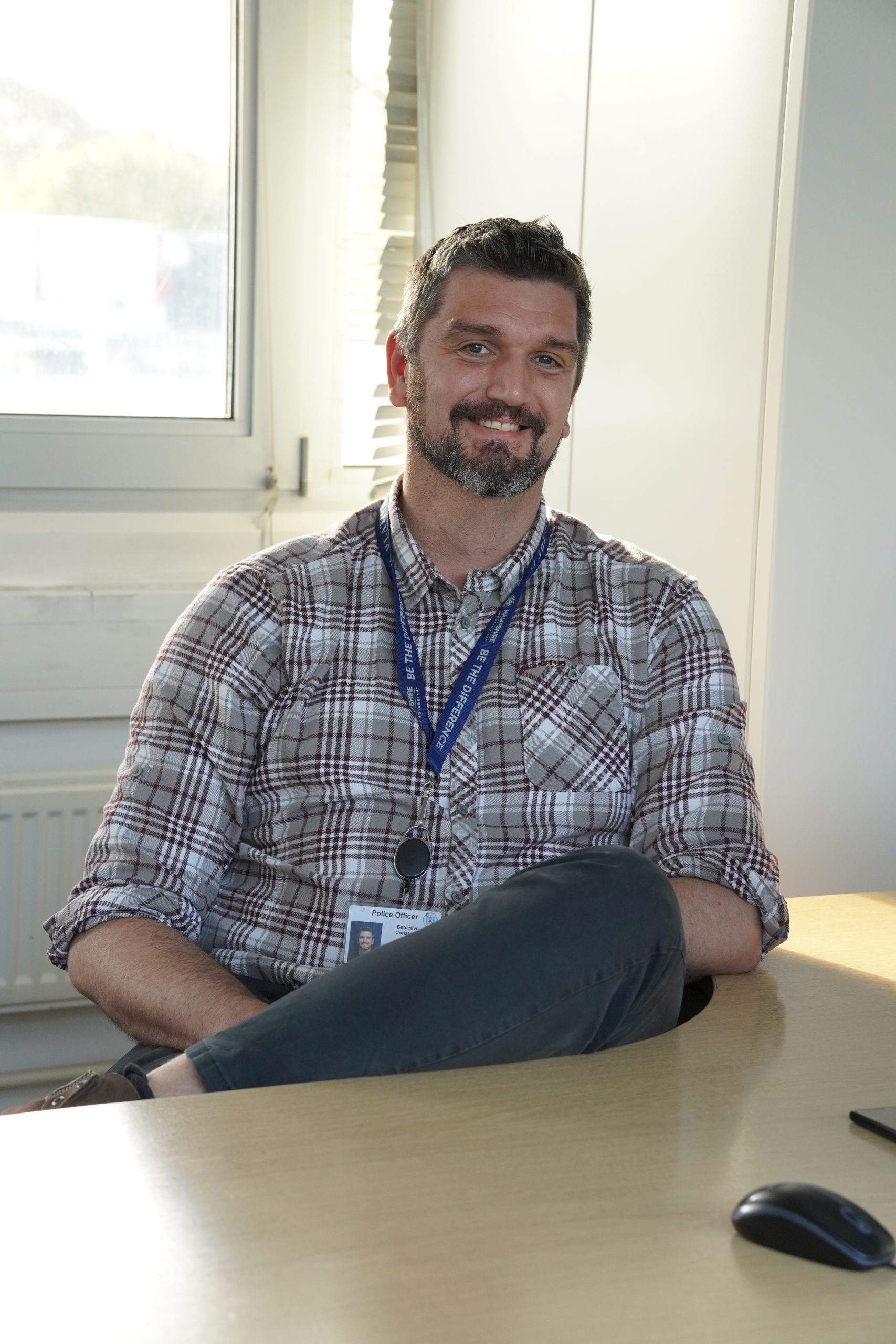
With a strong foundation in education, Neil brings a wealth of leadership, empathy, and analytical skills to the field of policing.
Hear more about how Neil made the leap into policing as a career change later in life.
Contact Management
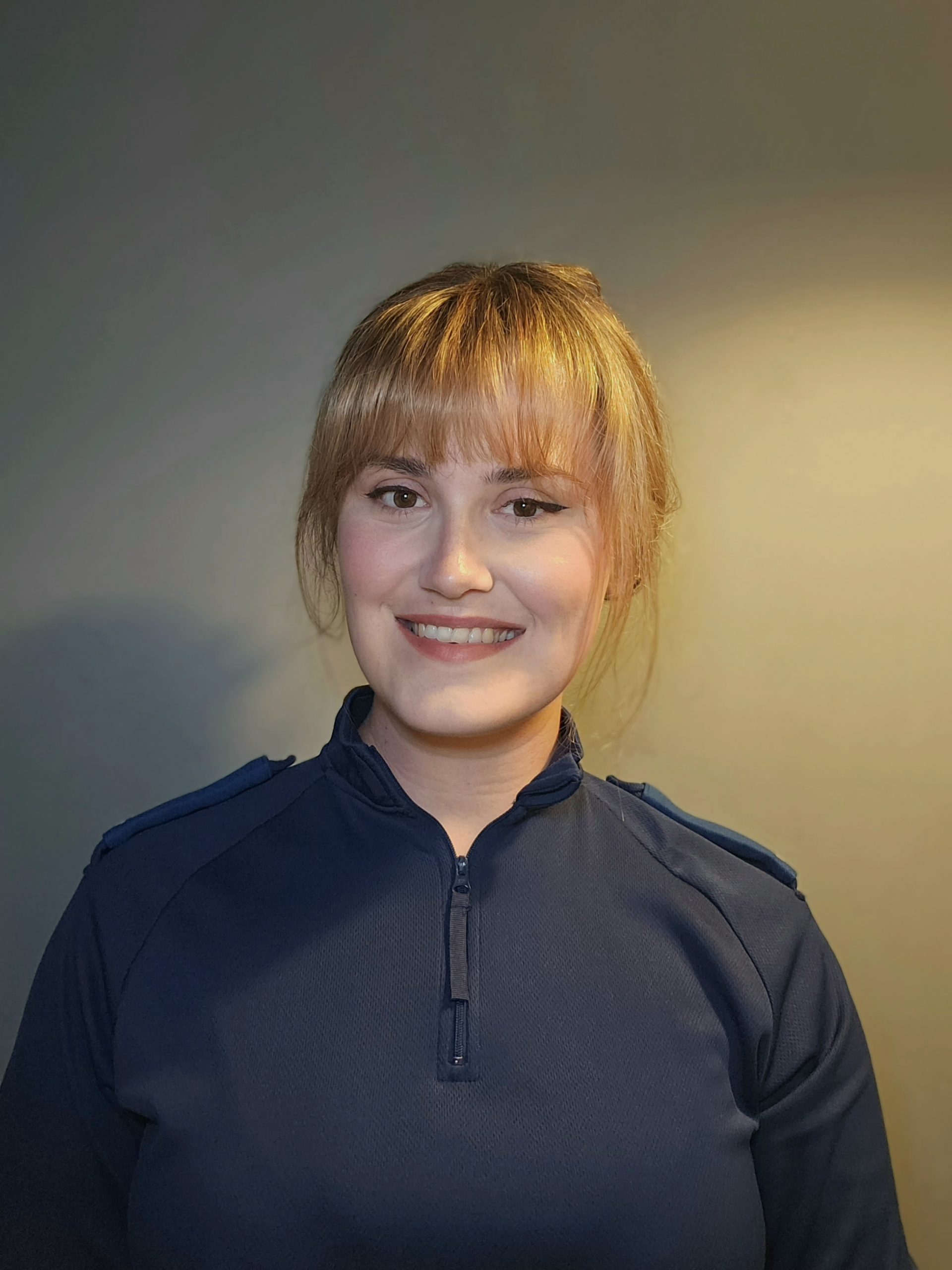
The Hampshire and Isle of Wight constabulary would not function without the dedication of its incredible non-officer staff.
We spoke to Naomi in the Contact Management department about the vital role she plays in Policing.
Dog Handler

We caught up with Neal, former Royal Military Police and now police dog handler in Hampshire and the Isle of Wight Constabulary about the transition from the military.
Read more about his career transition below.