
Police Officer or Police Staff? Career Fit Quiz
Police Officer or Police Staff? Career Fit Quiz
This page includes a short quiz to help you get a sense of whether you might be more suited to Police Officer roles, Police Staff roles, or a combination of both. It’s simply a light-touch guide to help you think about your strengths and preferences, rather than a formal assessment.
Scoring Guide
Give yourself points per answer and add up as you go through the quiz:
- A = 3 points
- B = 1 point
- C = 2 points
1. How do you feel about dealing with confrontation or unpredictable situations?
A. I’m comfortable stepping into unpredictable or potentially confrontational situations.
B. I prefer structured environments with lower physical or conflict risk.
C. I can handle some unpredictability, but not physical confrontation.
2. How do you prefer to support the public?
A. By being out in the community, responding directly to incidents.
B. By supporting the frontline through analysis, communication or admin.
C. Through a mix – I like helping, but not always face‑to‑face.
3. How do you handle high‑pressure, emotionally intense moments (e.g., distressed callers, victims, or emergencies)?
A. I stay calm and decisive – I perform well in intensity.
B. I prefer to help in lower‑intensity settings where I can think things through.
C. I can manage intensity if I’m not physically in the situation.
4. Which type of work environment appeals to you most?
A. Dynamic, unpredictable shifts with constant change.
B. A consistent routine with predictable hours.
C. A varied job, but mostly structured.
5. How do you feel about shift work (nights, weekends, early mornings)? This could also include your birthday and public holidays such as Easter, Christmas etc.
A. I’m fine with it – it’s part of the job.
B. I strongly prefer standard or more predictable hours.
C. I can do some shifts, but not constant rotation.
6. How comfortable are you with the physical risks of the role?
A. I accept physical risk as part of my job.
B. I prefer roles with minimal or no physical risk.
C. Some risk is okay, but not daily exposure.
7. Which statement feels more like you?
A. I want legal powers and responsibility to enforce the law.
B. I want to support policing without holding warranted powers.
C. I’m undecided – I’m open to either depending on fit.
8. How do you feel about making fast decisions under pressure?
A. Confident – I can make rapid judgements when it counts.
B. I prefer considered decisions with time to analyse.
C. I can make quick decisions but only in certain contexts.
9. What type of teamwork appeals to you?
A. High‑trust operational teamwork (patrols, incidents, arrests).
B. Collaborative office‑based teamwork (support, systems, case work).
C. I like teamwork but not in high‑stakes situations.
10. Which skills do you most enjoy using?
A. Communication, conflict resolution, physical presence.
B. Administration, analysis, data, organisation, tech.
C. A mix – but more on the communication side.
11. Imagine handling a distressed caller. What’s your instinct?
A. Take control, assess risk, give clear commands.
B. Gather details calmly, record information, support logistics.
C. Reassure them emotionally, escalate to the right team.
12. What motivates you most?
A. Being out there, making immediate impact on people’s safety.
B. Being part of the system that makes policing work behind the scenes.
C. Helping people – but I don’t need to be on the frontline.
13. How do you react to strict procedures and detailed policies?
A. Essential – they guide high‑risk decisions.
B. Comfortable – structured rules help me perform.
C. I follow them, but I like some autonomy.
14. Which best describes your comfort with paperwork and detailed reporting?
A. I can do it, but I prefer being out in the community.
B. Strong – paperwork and admin-heavy work suits me.
C. I’m okay with it, but not as the main part of my job.
15. How do you feel about physical fitness expectations?
A. No problem – I’m ready for physical requirements.
B. I prefer roles without mandatory physical fitness testing.
C. I’m okay with some physical activity, but nothing extreme.
🎯 RESULTS
35–45 points → Strong Fit for Police Officer Roles
You align with traits that would be required to become a Police Officer, such as:
- comfort with unpredictability
- resilience
- rapid decision‑making
- direct public contact
- shift work tolerance
20–34 points → Mixed Fit (You could choose either Officer or Staff)
You show readiness for some policing demands but also a preference for structured or lower‑risk work.
Suggested pathways:
- Contact Centre / 999–101 Call Handler
- Control Room / Dispatcher
- Digital Intelligence Unit
- Casework Support, Witness Care
- Special Constable
This category suits people who want to “help” but don’t necessarily want full police powers.
15–19 points → Strong Fit for Police Staff Roles
Your preferences align more with supportive, administrative, analytical or technical roles – typically stable hours and lower physical/emotional risk.
Police staff roles are essential, stable, and core to policing operations.
Suggested pathways:
- Crime Analyst
- HR, Vetting, Finance
- Digital Forensics
- Control Room Support
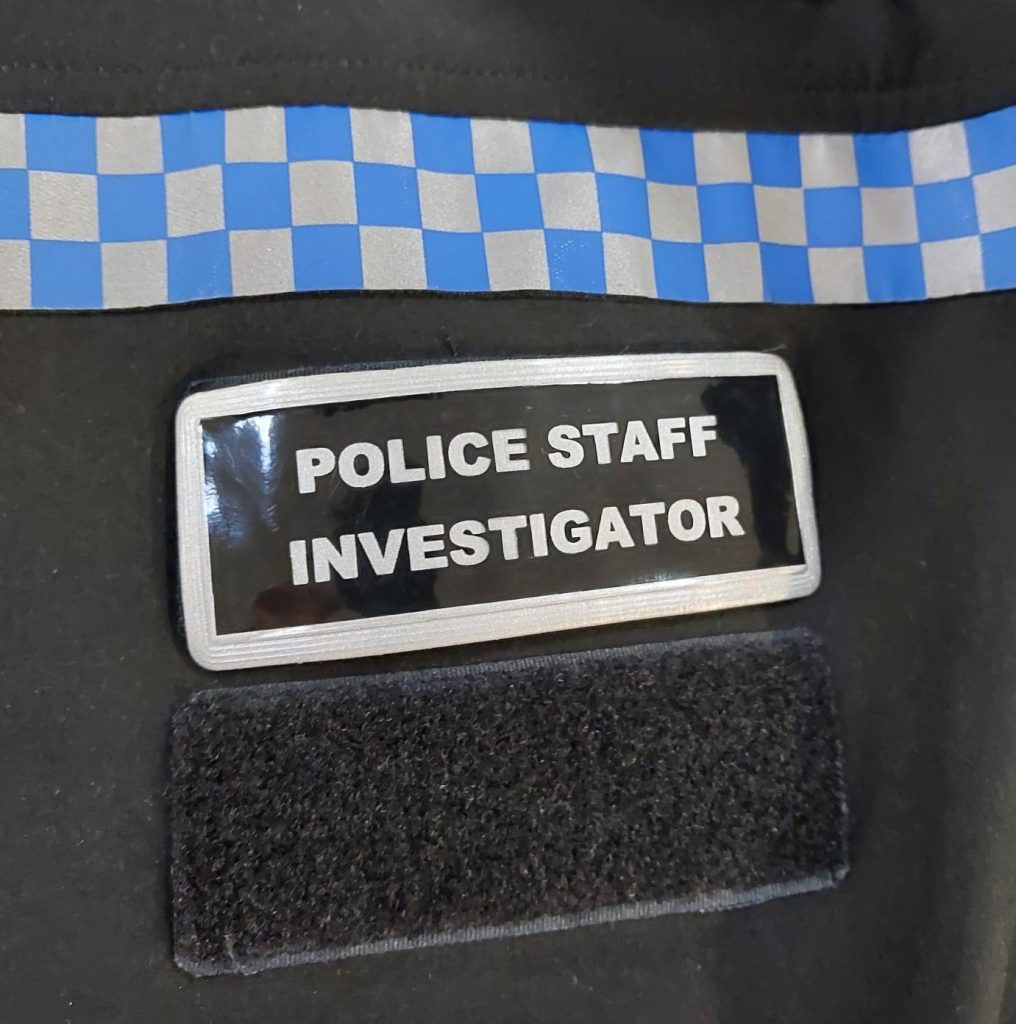
- Police Staff Investigator (PSI)
- Admin roles within policing


Hampshire and Isle of Wight Constabulary serves a vast area of different communities. In order to create an engaging and effective organisation we need to reflect the diverse communities that we serve.
Historically, it has been found that particular groups face disadvantage in joining or progressing through organisations. These can be under-represented groups or individuals with a protected characteristic.
Therefore, positive action can be used to reduce this disadvantage, in the form of taking active steps to support those through recruitment or promotion stages. The Positive Action Team is here to assist in this process and to make Hampshire and IOW Constabulary a diverse and inclusive organisation